

What is the Astrobiology Center?
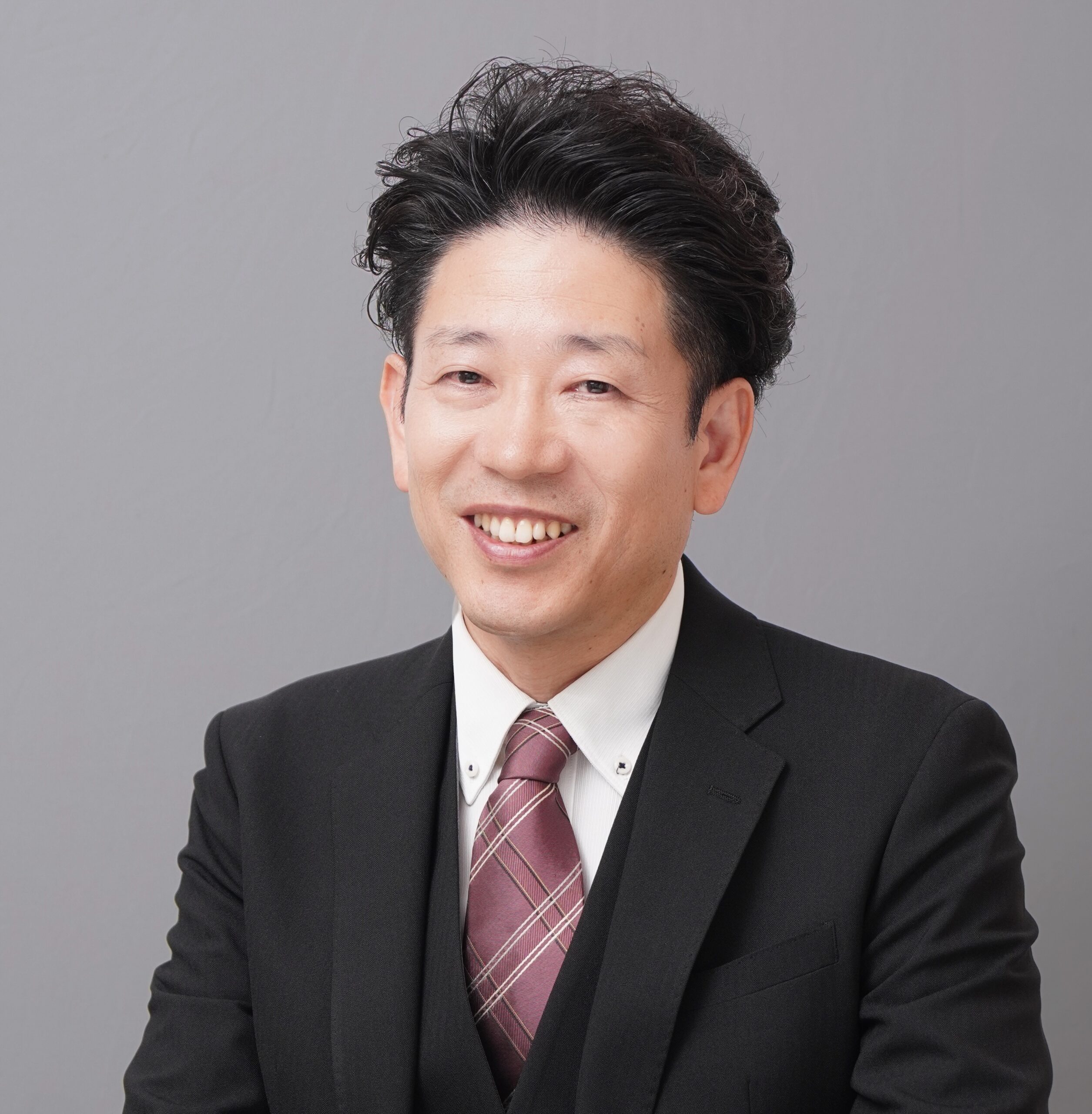
Director of Astrobiology Center
2025/10
Astrobiology Center (ABC) was established in 2015 to promote interdisciplinary research on extrasolar planets and potential life in the universe.
The recent progress in observations of extrasolar planets makes scientific explorations of “life in the universe” and astrobiology research to reveal its mystery urgent challenges.
The Astrobiology Center in the National Institutes of Natural Sciences promotes explorations for extrasolar planets, explorations for life inside and outside the solar system, and the development of the instruments for such explorations.
| 2015 April |
Establishment of National Institutes of Natural Sciences Astrobiology Center |
|
|---|---|---|
| Establishment of Exo-planet Search Project Office, Astrobiology Instrument Project Office置 | ||
| 2016 April | Exo-Life Search Project Office | |
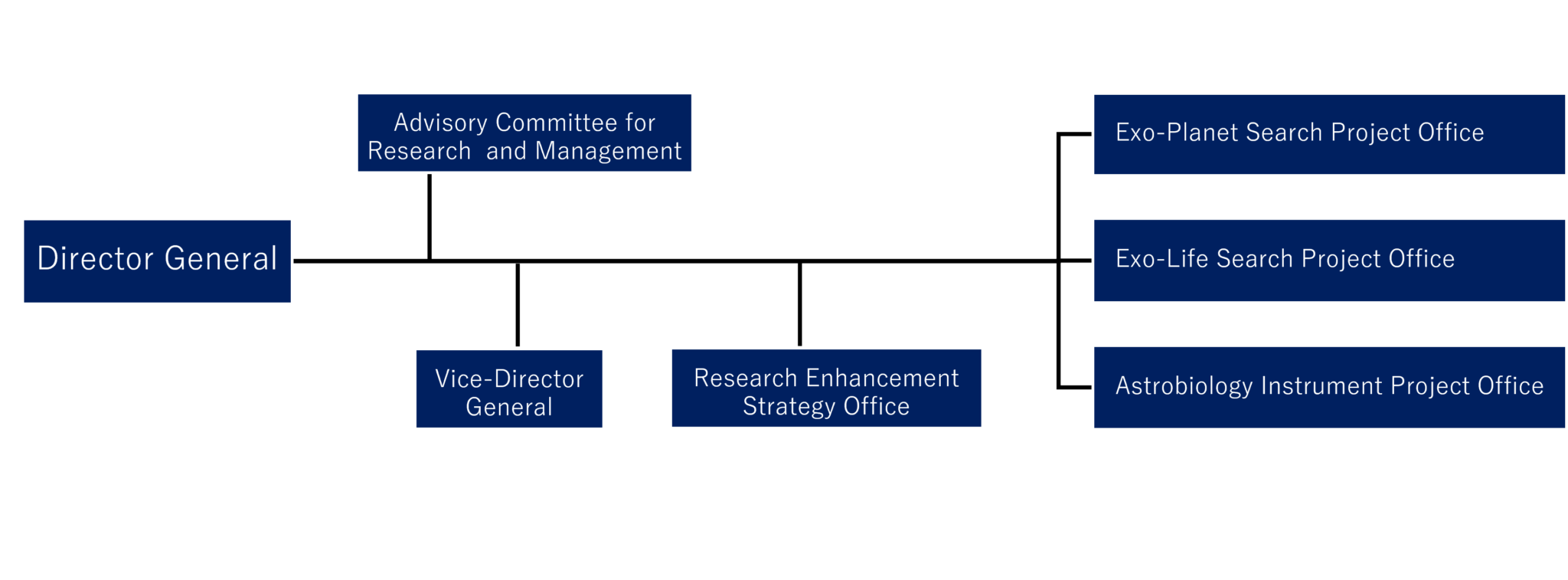
As of May 1st, 2026
| Director | Masahiro Ikoma | National Astronomical Observatory of Japan (Concurrent) | |
|---|---|---|---|
| Vice Director / Project Professor | Kenji Takizawa | National Institute for Basic Biology (Concurrent) | HP |
| Specially-appointed Professor | Motohide Tamura |
|---|
| Chief / Asossiate Professor | Teruyuki Hirano | National Astronomical Observatory of Japan (Concurrent) | |
|---|---|---|---|
| Project Assistant Professor | Yuichi Ito | National Astronomical Observatory of Japan (Concurrent) | |
| Project Assistant Professor | Livingston, John H. | National Astronomical Observatory of Japan (Concurrent) | |
| Project Researcher | Taichi Uyama | National Astronomical Observatory of Japan (Concurrent) | |
| Project Researcher | Riku Urago | National Astronomical Observatory of Japan (Concurrent) | |
|
Japan Society for the Promotion of Science Project Researcher |
Mayuko Mori | National Astronomical Observatory of Japan (Concurrent) | |
| Research Supporter | Yi Yang | Mitaka |
| Chief / Project Associate Professor | Kenji Takizawa | National Institute for Basic Biology(Concurrent) | HP |
|---|---|---|---|
| Specially-appointed Professor | Victoria Meadows | Cross Appointment(University of Washington NASA) | |
| Assistant Professor | Katsuki Jozuka | National Institute for Basic Biology(Concurrent) | HP |
| Assistant Professor | Hironori Fujita | National Institute for Basic Biology(Concurrent) | HP |
| Project Assistant Professor | Masayuki Kuzuhara | National Astronomical Observatory of Japan(Concurrent) | |
| Project Researcher | Masaru Kono | National Astronomical Observatory of Japan(Concurrent) | |
| Technical Researcher | Naomi Ishine | ||
| Technical Researcher | Chie Muramatsu |
| Chief / Associate Professor | Takayuki Kotani | National Astronomical Observatory of Japan (Concurrent) | |
|---|---|---|---|
| Specially-appointed Professor | Olivier Guyon | Cross Appointment (University of Arizona) | |
| Associate Professor (Senior Lecturer) | Naoshi Murakami | National Astronomical Observatory of Japan (Concurrent) | |
| Assistant Professor | Akitoshi Ueda | National Astronomical Observatory of Japan (primary) | |
| Project Researcher | Yukari Toyoda | National Astronomical Observatory of Japan (Concurrent) | |
| Project Researcher | Jun Nishikawa | National Astronomical Observatory of Japan (Concurrent) | |
| Project Researcher | Toshiyuki Mizuki | National Astronomical Observatory of Japan (Concurrent) |
| Chief / Project Professor | Kenji Takizawa | National Institute for Basic Biology (Concurrent) | HP |
|---|---|---|---|
| Dupty Chief / Senior specialist | Kazuhisa Kamegai | National Astronomical Observatory of Japan (Concurrent) | |
| Associate Professor (Senior Lecturer) | Naoshi Murakami | National Astronomical Observatory of Japan (Concurrent) | |
| Senior specialist | Masashi Omiya | National Astronomical Observatory of Japan (Concurrent) |
| Senior specialist | Kamegai Kazuhisa | National Astronomical Observatory of Japan (Concurrent) | |
|---|---|---|---|
| Senior specialist | Masashi Omiya | National Astronomical Observatory of Japan (Concurrent) |
| Visiting Professor | Yosuke Tanaka | Tokyo University of Agriculture and Technology | |
|---|---|---|---|
| Visiting Professor | Norio Narita | The University of Tokyo | |
| Visiting Associate Professor | Takahiro Nagayama | Kagoshima University | |
| Visiting Assistant Professor | Nugroho, Stevanus K. | Institute of Science Tokyo | |
| Visiting Researcher | Jun Hashimoto | Academia Sinica Institute of Astronomy and Astrophysics (ASIAA) | HP |
| Visiting Researcher | Takuma Serizawa | Tokyo University of Agriculture and Technology |
| D3 | DUFFY Seamus Edward |
Astronomical Science Program, The Graduate University for Advanced Studies Supervisor:Takayuki Kotani |
|
|---|---|---|---|
| D2 | Tsutsumi Nagai |
Astronomical Science Program, The Graduate University for Advanced Studies Supervisor:Takayuki Kotani |
|
| M2 | Kousei Usami |
Astronomical Science Program, The Graduate University for Advanced Studies Supervisor:Teruyuki Hirano |
|
| M1 | Yoshito Nagata |
Astronomical Science Program, The Graduate University for Advanced Studies Supervisor:Teruyuki Hirano |